A logbook method for adding load, reps, or sets when you train alone on a 24/7 floor.
Progressive overload is a dull phrase for a simple job: do a bit more over time than you did last month. More weight, more reps, better control, or the same work in less fuss. You do not need a personal trainer to run that. You need a record and a rule for when to change the number.
This is for people training alone, including members who use Evolution 24/7 Gym at hours when nobody is writing programs at a desk.
What “more” can mean
Pick one lever for a lift, not four at once.
- Weight: 2.5 kilos on a bar, or the next dumbbell
- Reps: 8 becomes 9, then 10, then you add weight and drop back to 8
- Sets: 3 becomes 4 on a main lift, then you hold it
- Quality: same weight, slower lower, less bounce
Quality is the one people skip because it does not look good in a story. It still counts.
If you add weight and reps and sets in the same week, you are not being hardcore. You are mixing the experiment.
The logbook
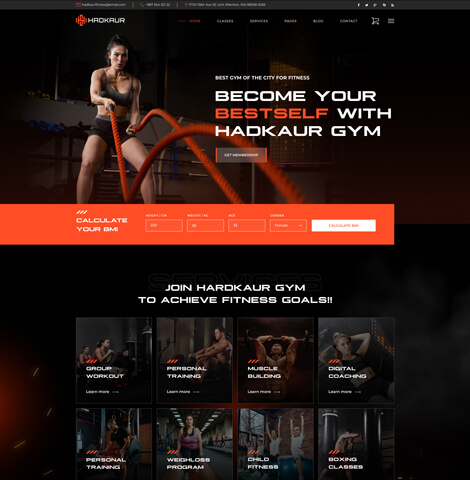
Every work set gets four things:
- Lift name
- Weight
- Reps
- A short note if something changed (sleep, pain, swapped machine)
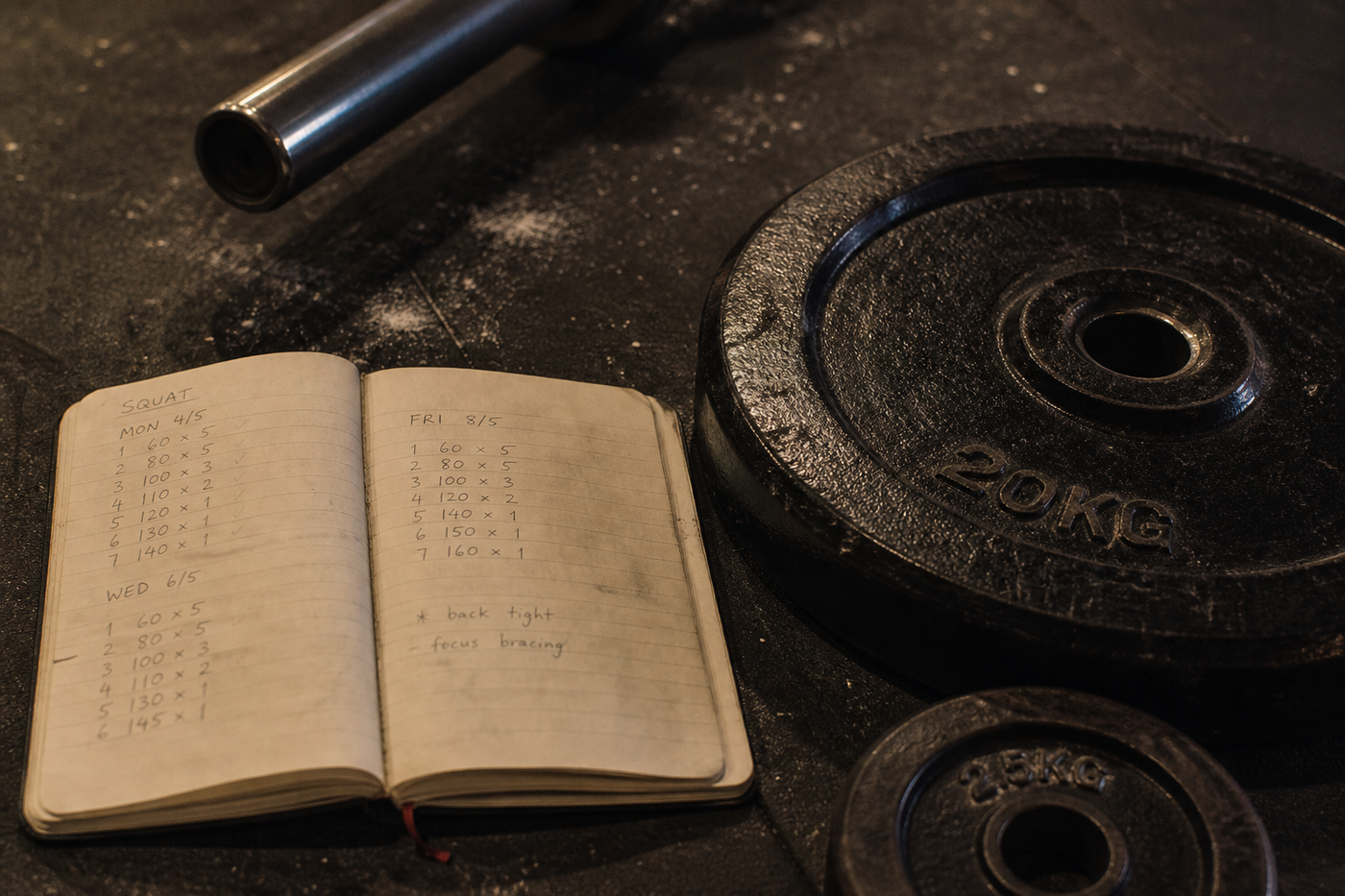
That is enough. Spreadsheets are optional. A note on your phone dated “Thu 7.30pm squat 60x8,8,7” is a logbook.
Look at last time before you load the bar. If you cannot remember last time, you will repeat the same comfortable weight for a year.
A rule you can keep
For a main lift (squat, hinge, press, row):
- If you hit the top of your rep range on all sets with two reps left in the tank, add a small load next time
- If you miss the bottom of the range, stay at the same weight
- If the bar speed dies and form turns ugly, you do not get extra credit for grinding a seventh sloppy rep
Example: goblet squat target 8 to 10. You do 10, 10, 10 with a 16 kilo bell and it still felt tidy. Next session try 18. If you get 8, 8, 7, stay there until 8, 8, 8 is clean.
How often you add
Beginners can add more often because the first months are skill plus a little tissue change. After that, weekly jumps slow down. Monthly progress is still progress.
Shift workers should expect flatter weeks. Keep the weight and fight for the same reps. See training around shift work.
Isolation lifts
Curls, laterals, and machine flyes can progress on reps more than load. Jumping dumbbells too fast is how elbows complain. Add a rep a week, then a small weight.
When you are stuck
Three to four weeks of the same numbers, with sleep and food not obviously broken:
- Drop the weight 10 percent, do clean sets for a week, then build back
- Swap the variation (bar squat to goblet, barbell row to cable) and progress that
- Cut junk sets that are just fatigue
Stuck for six months with no logbook is not a plateau. It is no plan.
Sports Medicine Australia and similar groups talk about graded, regular loading rather than random hero sessions. You do not need a journal citation to take that seriously. Add a little, recover, add a little.
Deloads without a ceremony
Every six to eight hard weeks, or when life is loud, take a week at about 60 to 70 percent of your usual load. Same lifts, easier. Then go back.
If you skip this forever, your body will schedule it as a cold or a grumpy shoulder.
Doing this on a 24/7 floor
The advantage of EVO FITNESS is you can run the same session at the hour you can think. Progressive overload dies when you only train in a rush at 6.30pm and skip the warm-up. A quieter 8.30pm or 6am slot can be the better day to add 2.5 kilos.
The floor is 385 South Gippsland Highway, Dandenong South. If you want a first look at the racks and cables, book that via contact or call +61 412 880 486.
Pair this with a small program. The three-day full-body is enough surface to apply the rule.
A month on one page
Write four dates. Under each, the same four lifts. After the month, circle the lines that went up. Those are the ones you keep. The lift that never moved might need a swap, or it might need you to sleep.
If all four moved, you do not need a new program. You need another month.
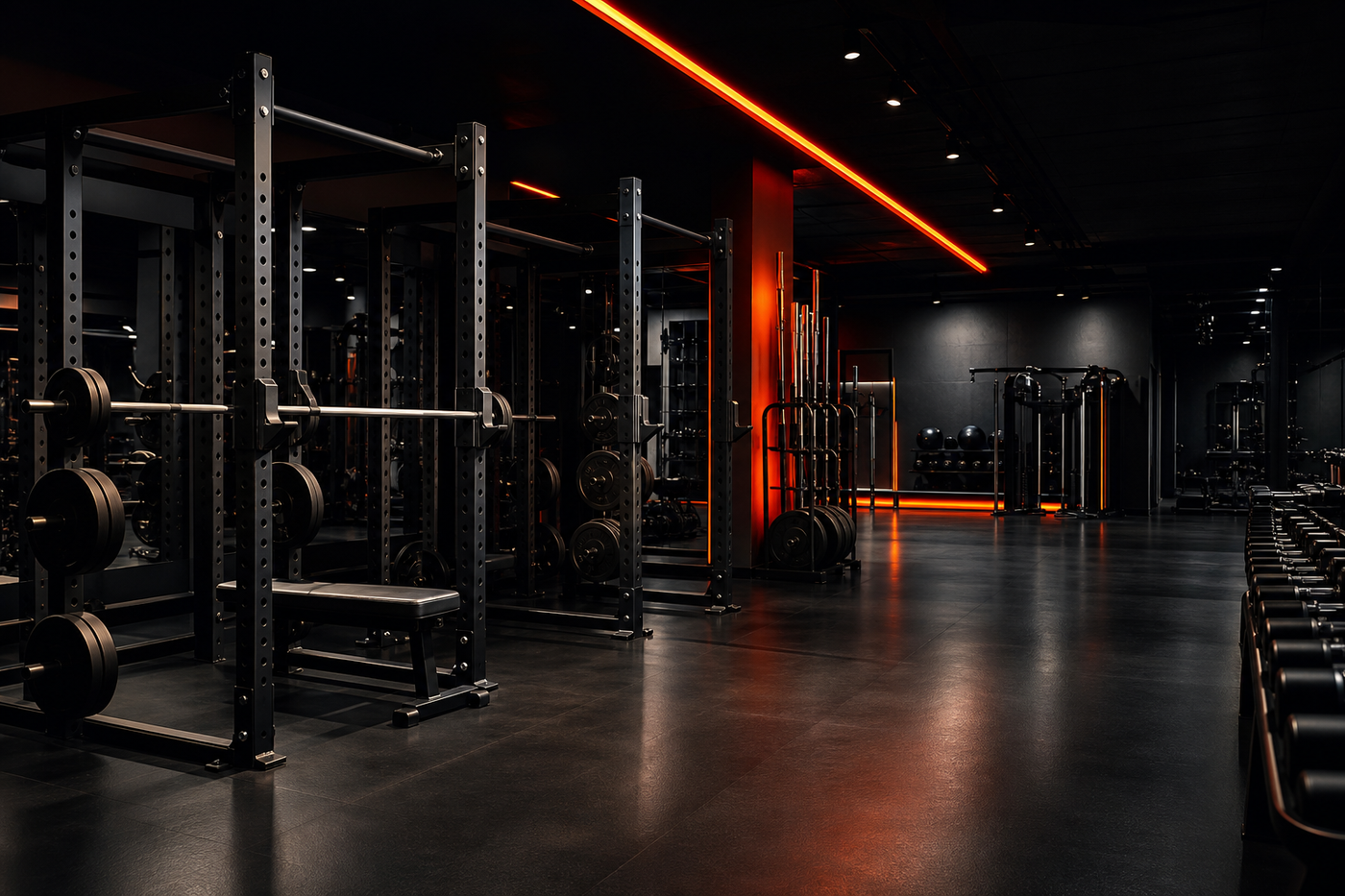
People who train at 10pm at Evolution 24/7 Gym sometimes skip the log because they want to get home. That is the night the weight stays the same for six weeks. Put the phone note in before you leave the car park on South Gippsland Highway. Thirty seconds.
If your shoulders hurt in a new way, stop adding load on that press and get it checked. Overload does not mean ignoring pain.
Missed sessions do not get a double session later. You do the next written workout. That is how the log stays honest and how you avoid collecting a week of fatigue in one Thursday night at the gym.
Questions people ask
Do I need an app?
No. An app is a logbook with notifications. The record is the point.
Should I change program every month?
Not if the numbers are still moving. Changing programs is how people avoid adding 2.5 kilos.
What if I only have machines that day?
Progress the machine. A pin-loaded press with a written stack number is still overload.
A trainer can be useful. They are not a requirement for adding a little load. A notebook and a slightly stubborn streak will do a lot of the job. If you train at EVO, the same rule applies at 6am and at midnight: look at last time, then decide the next number before you touch the bar. That habit is the whole method.