Pins, bar height, walking out, and failing a rep: the parts people skip on a first heavy squat.
A squat rack looks obvious until you are under the bar. Then the J-hooks are too high, the safeties are in the wrong holes, and you are not sure whether to dump the bar forward. This is a setup guide. It is not a full squat-coaching course and it will not replace a coach if your back pain needs one.
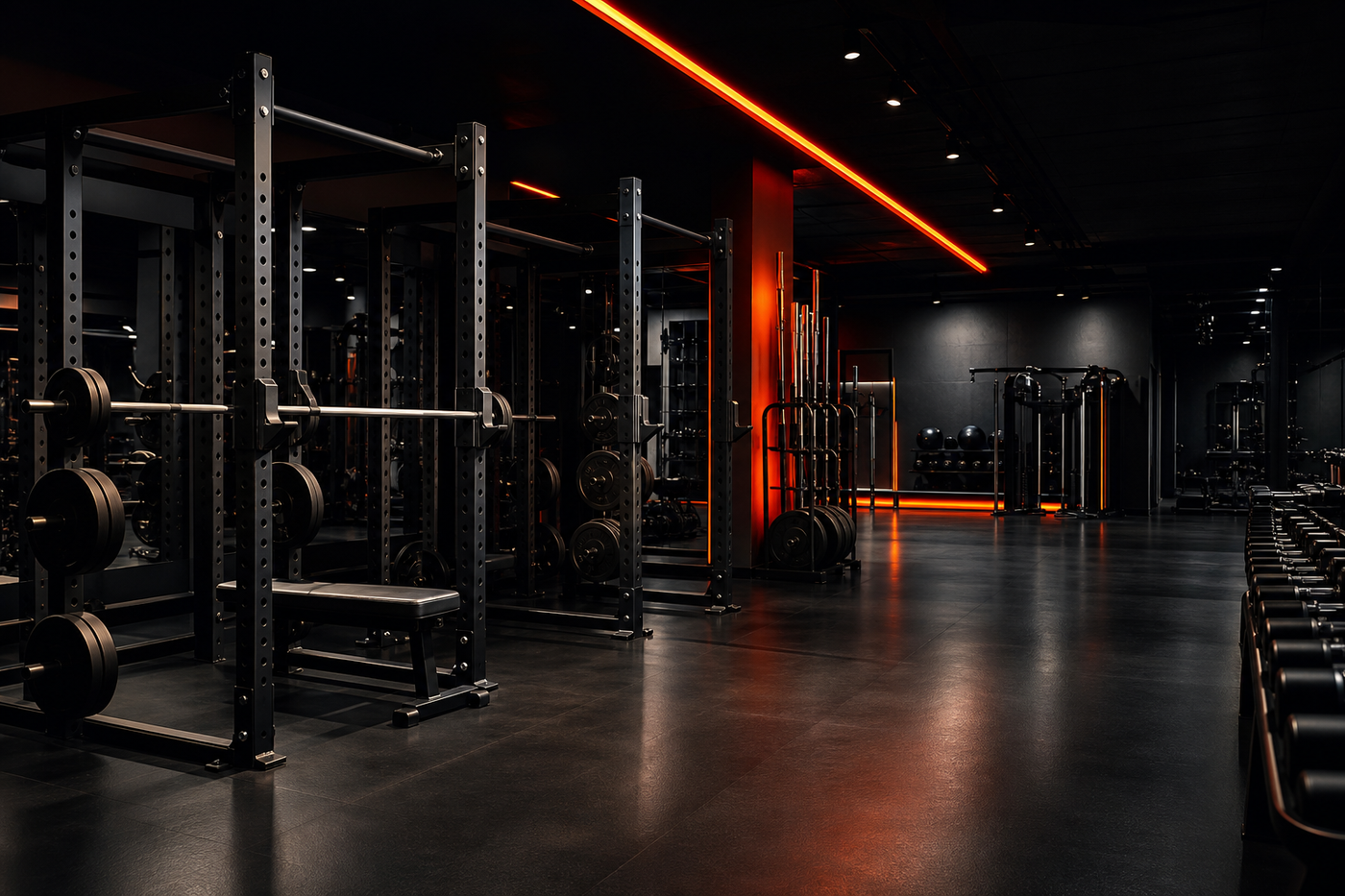
The power zone at Evolution 24/7 Gym is built for this kind of work. The same rules apply in any rack with adjustable hooks and pins.
Name the parts
- J-hooks (or bar hooks): where the bar sits before you walk it out
- Safety pins or straps: what catches the bar if you fail
- Uprights: the posts with holes
- Bar: usually a 20 kilo Olympic bar on a proper rack; confirm if you are new
If the gym also has a smith machine, that is a different tool. This article is about a free bar in a rack.
Set the hooks first
Stand in the rack and set the hooks around mid-chest to upper chest so you can get the bar on your back or shoulders without going onto your toes, and without having to shrug it up from your belly.
For a back squat, you want a short dip to unrack, not a quarter squat. If you are short, the hooks come down. If you are tall, they go up. This takes one quiet minute. Do it before you load 60 kilos.
Front squat hooks are often a fraction lower because the bar sits closer to the throat and you want a clean unrack.
Set the safeties next
Safeties should sit just below the lowest point of your squat, not at your knees, and not so low the bar would hit the floor first.
A simple method: squat with an empty bar or a light bar to the depth you actually use. Set the pins about 2.5 to 5 centimetres below that. If you fail, the bar hits the pins, you slide out, you leave your ego on the floor.
Too-high safeties turn every squat into a tap on the pins. Too-low safeties are decoration.
On a 24/7 floor after hours, this step is not optional. There may be nobody to lift a bar off you.
Load the bar evenly
Same plates on both sides. Clips on. People skip clips and then the plate walks when they dump a failed rep.
Walk the plates from the tree. Do not leave a 20 kilo plate in the walkway of the power zone. Other people use that lane.
Walkout
Hands on the bar, bar on the back (or front delts), breathe, stand the bar out of the hooks, take two or three short steps back, feet set, then squat.
A long walkout is wasted fatigue. You are not going on tour.
To rerack, step forward until the bar hits the uprights, then set it down. Looking for the hooks while leaning back is how bars crash. If you cannot find them, take a small step forward and feel for metal.
Failing a rep
If you are going down and you know you will not stand up:
- Stay with the bar
- Sit to the pins, do not throw the bar over your head
- Let the safeties take it
- Crawl out
- Unload or ask for a hand to get the bar back up
If you have never felt a fail, do it once with a light bar onto the pins on purpose so the sound does not shock you later.
Do not test a one-rep max alone after a night shift. See shift work training if that is your life.
Rack etiquette
Work in if someone is resting and you can share the same height, or wait. Do not strip their plates while they are in the bathroom.
Do not curl in the only rack if a bench or dumbbells would do. On a small peak-hour wait, be the person who moves.
Rerack the bar to a normal height when you leave. The next person should not have to hunt for holes at 5am.
Common setup mistakes
- Hooks so high you stand on your toes to unrack
- No safeties because “I never fail”
- Safeties at mid-thigh so you cannot reach depth
- Uneven plates
- Walking too far back and losing the rack line
Fix those before you worry about shoe type and belt tightness.
If you are not ready for a bar
Use a goblet squat or a leg press from the beginner full-body workout until the pattern is boring. Then bring an empty bar to the rack at a quiet hour.
You can do that at EVO FITNESS any time the floor is open. 385 South Gippsland Highway, Dandenong South. Questions about the facility: +61 412 880 486 or contact.
Empty bar practice
Before you load work weight, do two sets with the empty bar: unrack, three steps, squat to your depth, stand, walk in, rerack. If that sequence is messy, the weight is not the problem.
Film one side-on set on a quiet morning if you want. Check knee direction and whether the bar drifts forward. Delete the video after. You do not need an audience.
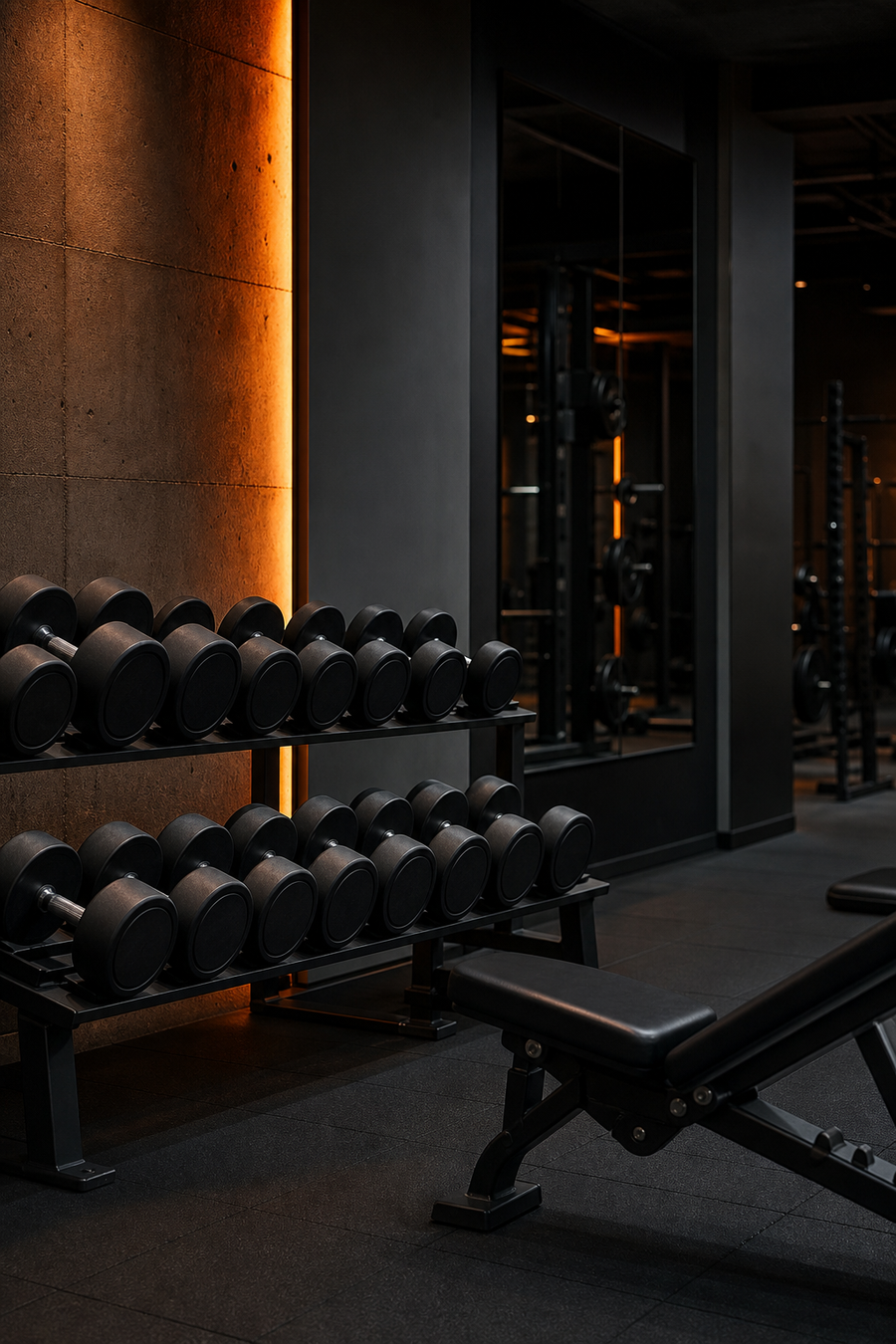
If the power zone is busy, do not hover. Do your goblet work, then take the rack when it frees. A 24/7 gym means you can also come back two hours later. That option exists at EVO. Use it instead of rushing a walkout with someone waiting.
Questions people ask
Do I need a belt on day one?
No. Learn the squat first. A belt is a tool for heavier sets later, not a personality.
Can I deadlift in the squat rack?
Some gyms allow it, some want deadlifts on a platform. If you pull in a rack, do not wreck the pins or block the only squat station for twenty minutes. Ask what the floor expects.
What if I am training alone at night?
Lower the weight, keep the pins honest, and skip the circus PRs.
A squat rack is a piece of steel with holes in it. The skill is setting those holes for your body and then putting the bar back where you found it. Do that well and the squat itself gets simpler.